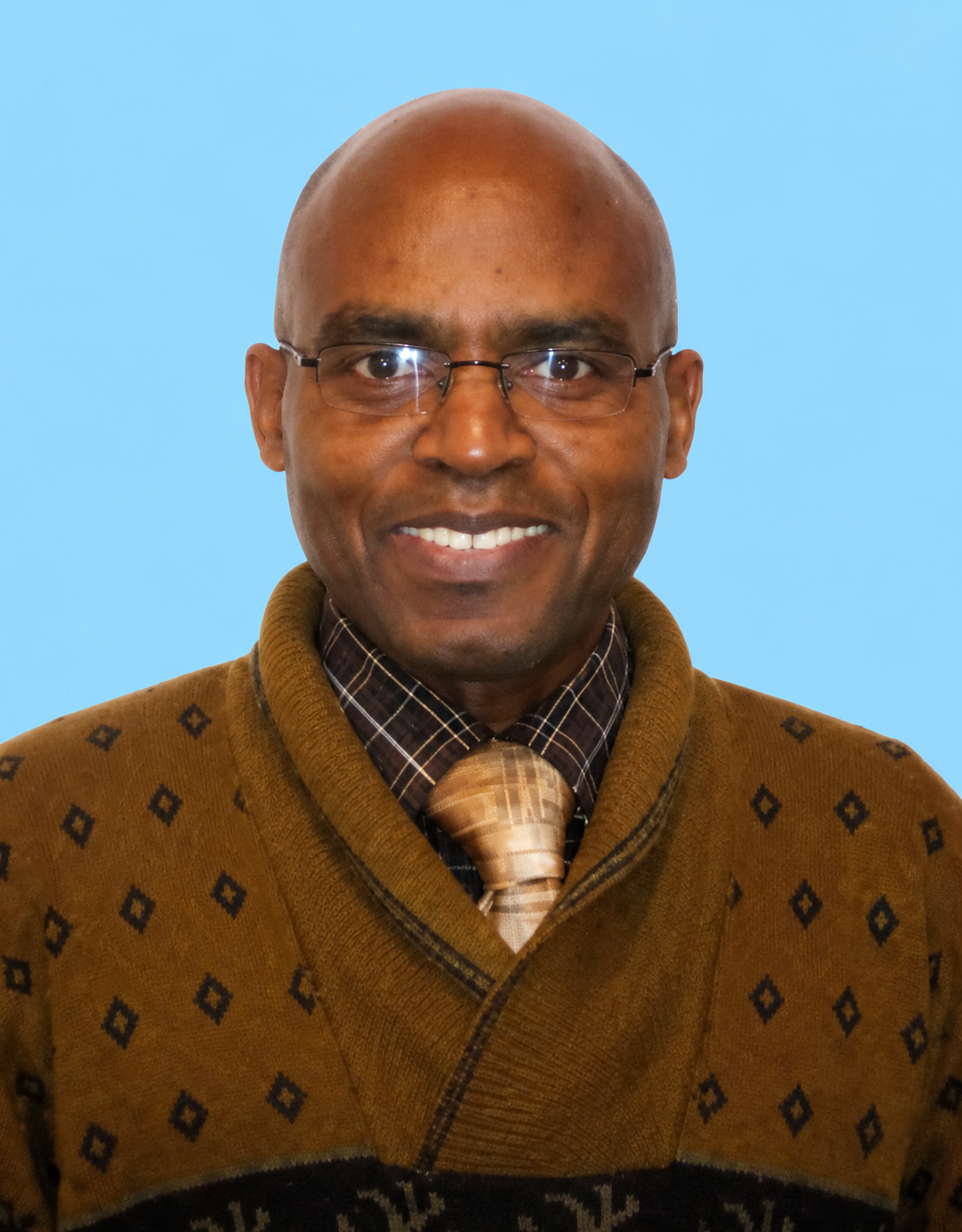
Dr Joseph Nkusi
Blogger, researcher and government critic
Serving a ten-year sentence imposed for his writingA Rwandan blogger and researcher who was deported from Norway in 2016 and arrested the moment he landed in Kigali. He was sentenced to ten years in prison for his writings, and Norway has since recognised that its decision to send him back was a serious mistake.
Who he is
Dr Joseph Nkusi is a Rwandan citizen who came to Norway in 2009 as a researcher at the University of Bergen. He is a blogger who has sharply criticised Rwanda's government and ruling party, founded an opposition group while in exile, and published writings that include claims about the 1994 genocide that are unfounded and deeply offensive to survivors, including assertions of a so called double genocide.
The Global Campaign for Rwandans' Human Rights rejects those claims. But criticism of a government, however unwelcome or however poorly argued, is not the same offence as genocide ideology. A justice system that cannot tell the two apart is not protecting memory, it is silencing dissent.
Deportation and arrest
Dr Nkusi lived in Norway between 2009 and 2016. When his work visa was due to expire he applied for protection, but received negative decisions first from the Directorate of Immigration (UDI) and then from the Immigration Appeals Board (UNE), which concluded that he had not shown a well founded fear of persecution.
He was deported and arrived back in Kigali on 8 October 2016. Rwandan authorities arrested him immediately on arrival, questioned him about his writings and his political activities, and held him at Kimironko prison from that day. He was later tried in Kigali on charges of genocide ideology, sectarianism and inciting insurrection, and sentenced to ten years in prison.
Why the case matters
Rwandan law defines genocide ideology as a deliberate, public act that characterises a person by ethnic, religious, national or racial nature, with the aim of advocating for, or supporting, the commission of genocide. The framework has improved in recent years, but it retains language broad enough to criminalise speech. Human Rights Watch and other monitors have documented a pattern of trials in which genocide ideology and inciting insurrection charges were used against people whose real offence was criticising the government.
His trial was an opportunity for Rwanda to demonstrate a clear distinction between genocide ideology as a criminal offence and the free expression of political opinion. That opportunity was not taken.
Norway's recognition
In October 2018, two years after Dr Nkusi was forced back to Rwanda and after learning that he had been sentenced to ten years, UNE reconsidered his case and granted him protection in Norway. The Norwegian state has thereby recognised a serious mistake, its failure to comply with its obligations under the Refugee Convention when it returned a man to a country where he was then prosecuted for his writing.
That recognition is welcome. It is also incomplete. A protection decision means nothing to a man inside a Rwandan prison.
Our demands
We call on the Government of Rwanda to release Dr Joseph Nkusi and allow him to leave the country for resettlement in Norway, to ensure he receives a fair hearing in any remaining judicial process, to guarantee his safety while he remains in custody and his access to family, lawyers and consular representatives, and to review the use of genocide ideology and inciting insurrection charges in cases that rest on political speech alone.
History
2009
Arrives in Norway as a researcher at the University of Bergen, and begins blogging about Rwandan politics.
8 October 2016
Deported from Norway and arrested immediately on arrival in Kigali, then held at Kimironko prison.
2017
Tried in Kigali on charges of genocide ideology, sectarianism and inciting insurrection, and sentenced to ten years in prison.
October 2018
Norway's Immigration Appeals Board reconsiders his case and grants him protection, recognising the error of his removal.
Campaigns & Statements
Our campaigns, statements and reports connected to Dr Joseph Nkusi.